
Somatic Pain Disorders
Somatic Pain Disorders are a group of conditions where a person experiences chronic pain that cannot be fully explained by a physical injury or illness. The pain is real, but it is deeply connected with the mind and emotions. Many people with somatic pain experience headaches, back pain, joint pain, or stomach issues without clear medical causes. These symptoms often become worse with stress, anxiety, or emotional distress, and they can interfere with daily life, relationships, and work.
If you or your loved one is struggling with ongoing pain without a clear medical reason, professional care is essential. With Somatic Pain Disorders treatment in Indore, individuals can receive holistic support that addresses both the body and mind. Consulting the best Psychiatrist in Indore ensures accurate diagnosis, personalized therapy, and long-term recovery.
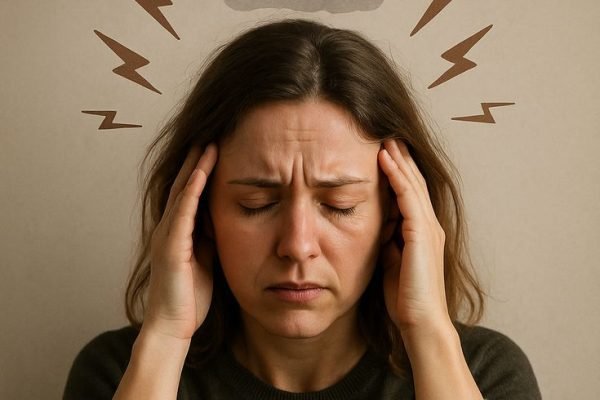
Understanding Somatic Pain Disorders
Somatic pain is not “imagined” or “fake.” It is genuine pain that the person feels in their body, but the root cause often lies in psychological or emotional factors. Conditions such as depression, anxiety, unresolved trauma, or chronic stress may trigger or worsen the pain.
Common symptoms of somatic pain disorders include:
Getting timely Somatic Pain Disorders treatment in Indore can help reduce pain, improve coping mechanisms, and restore balance in everyday life.
Effective Treatments for Somatic Pain Disorders
Treatment for somatic pain involves a comprehensive and patient-centered approach. The best Psychiatrist in Indore designs treatment plans that target both the psychological and physical aspects of pain.
1. Therapy and Counseling
Cognitive Behavioral Therapy (CBT) is widely used to help patients recognize the connection between thoughts, emotions, and pain. Therapy helps reframe negative thinking, reduce stress, and build resilience against pain triggers.
2. Medications
In some cases, psychiatrists may prescribe antidepressants, anti-anxiety medications, or pain management drugs to help regulate brain chemistry and reduce discomfort.
3. Lifestyle Modifications
Mindfulness, yoga, relaxation exercises, and regular physical activity are effective in reducing pain perception. Stress management and improved sleep patterns also play a vital role.
By combining these methods, the best Psychiatrist in Indore ensures long-lasting results and better quality of life for patients.
Why Choose Professional Somatic Pain Disorders Treatment in Indore?
- Accurate diagnosis and holistic care
- Evidence-based therapy for pain and emotions
- Personalized treatment plan designed for each individual
- Ongoing support and regular follow-ups
- Compassionate care from the best Psychiatrist in Indore
Choosing the right specialist ensures that you or your loved one receives both emotional support and medical guidance, making recovery smoother and more effective.

FAQs on Somatic Pain Disorders Treatment in Indore
Somatic Pain Disorders are conditions where individuals feel chronic pain in the body without a clear medical explanation. The pain is real but influenced by emotional and psychological factors like stress, anxiety, or trauma.
Yes, with timely Somatic Pain Disorders treatment in Indore, these conditions can be managed effectively. A combination of therapy, medications, and lifestyle changes helps in reducing pain and improving daily functioning.
For complete care, it is best to consult the best Psychiatrist in Indore, as they can provide both therapy and medications when required. Psychiatrists address both emotional and physical aspects of pain.
Yes, the pain is real. Even though it may not have a clear physical cause, the discomfort is genuine. The brain and body are deeply connected, and emotions can influence how pain is felt.
Treatment duration varies depending on the severity and underlying causes. Some patients notice improvement within weeks of therapy, while others may require ongoing treatment and support for long-term recovery.