
Understanding Stress-Related IBS
Irritable Bowel Syndrome (IBS) is a common digestive condition that affects the normal functioning of the intestines. People with IBS may experience abdominal pain, stomach cramps, bloating, gas, constipation, diarrhoea, or changes in bowel habits. These symptoms can vary in intensity and may affect a person’s daily routine, work, sleep, and social life.
Although IBS is related to the digestive system, mental health can also play an important role in how symptoms develop and how frequently they occur. Many people notice that their digestive discomfort becomes worse during stressful situations, emotional difficulties, work pressure, or periods of anxiety.
Dr. Varchasvi Mudgal, a Gold Medalist psychiatrist in Indore with over 7 years of experience, provides psychiatric consultation and evidence-based psychological therapies for individuals experiencing stress, anxiety, and related mental health concerns.
What Is Stress-Related IBS?
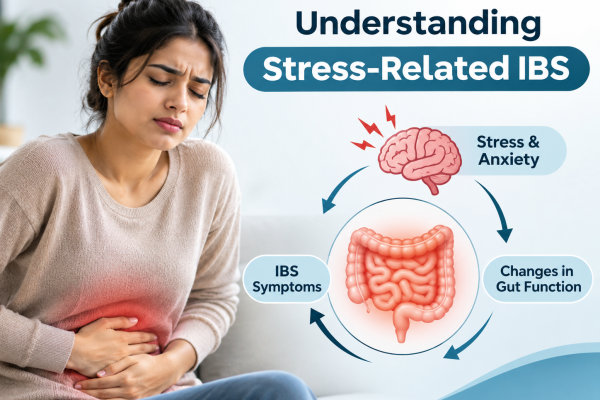
Stress-related IBS refers to Irritable Bowel Syndrome symptoms that may become worse during periods of psychological stress, anxiety, or emotional pressure. The digestive system and brain continuously communicate with each other. This connection helps regulate digestion, bowel movements, and the way the body responds to digestive sensations. When a person experiences ongoing stress, the communication between the brain and gut may be affected. For example, someone may experience stomach cramps before an important meeting, frequent bowel movements during stressful situations, or bloating when dealing with personal difficulties. These experiences can make the person worry even more about their digestive health.
It is important to understand that IBS is a genuine gastrointestinal condition. Stress does not mean that the symptoms are imaginary or that the problem exists only in the mind. Instead, psychological and physical factors can interact and influence the condition.
A combined approach involving medical evaluation, digestive health management, and psychological support may help people manage their symptoms more effectively.
Common Symptoms of Stress-Related IBS
IBS symptoms are different for every individual. Some people experience constipation, while others mainly have diarrhoea or alternating bowel habits. Emotional stress may also influence the frequency or intensity of these symptoms.
Common symptoms include:
- Abdominal pain: Repeated stomach pain or cramps that may be associated with bowel movements.
- Bloating: A feeling of fullness, pressure, or swelling in the abdomen.
- Excessive gas: Frequent gas formation that may cause discomfort.
- Constipation: Difficulty passing stools or having fewer bowel movements.
- Diarrhoea: Frequent loose or watery stools.
- Changes in bowel habits: Alternating episodes of constipation and diarrhoea.
- Incomplete bowel movements: Feeling that the bowel has not emptied completely.
- Stress-related discomfort: Digestive symptoms that become more noticeable during emotional pressure.
- Anxiety about symptoms: Constantly worrying about stomach discomfort or finding a bathroom.
If digestive symptoms occur frequently or interfere with everyday activities, consult a qualified doctor for proper evaluation.
How Does Stress Affect the Digestive System?
Stress can influence several functions of the body, including digestion. When a person experiences stress, the body activates its natural stress response. This response can affect the nervous system, hormones, and communication between the brain and digestive tract.
In people with IBS, these changes may contribute to increased gut sensitivity, changes in bowel movements, and abdominal discomfort.
1. Changes in Gut-Brain Communication
The gut-brain connection allows the brain and digestive system to communicate through nerves, hormones, and other biological signals.
When a person experiences ongoing emotional stress, this communication may be affected. As a result, normal digestive sensations may feel more uncomfortable or become harder to manage.
2. Increased Anxiety and Gut Sensitivity
Anxiety can make individuals more aware of physical sensations. A person may become highly concerned about stomach movements, gas, cramps, or changes in bowel habits.
This increased attention and worry may make existing IBS symptoms more difficult to cope with.
3. Changes in Bowel Movements
Stress may influence the movement of the digestive tract. Some individuals experience more frequent bowel movements, while others may experience constipation during stressful periods.
These changes can contribute to discomfort and affect daily activities.
4. Poor Sleep and Emotional Health
Sleep and mental health are closely connected. Poor sleep may increase emotional sensitivity and make it harder to manage daily stress.
People who experience ongoing sleep difficulties may also find it more challenging to manage digestive symptoms.
5. Fear and Avoidance Behaviour
Some people with IBS begin avoiding travel, social gatherings, meetings, or outdoor activities because they worry about sudden digestive problems.
This fear can increase stress and affect confidence. Psychological support can help individuals understand these concerns and develop healthier coping strategies.
Stress-Related IBS Treatment by Dr. Varchasvi Mudgal
Managing IBS requires attention to both physical and psychological health. A gastroenterologist can evaluate digestive symptoms and recommend appropriate medical care. Psychiatric support can help address stress, anxiety, and emotional difficulties associated with the condition.
Dr. Varchasvi Mudgal follows a patient-focused approach to understanding psychological concerns. The treatment plan depends on the patient’s symptoms, mental health history, emotional difficulties, and individual needs.
Depending on the assessment, Stress-Related IBS Treatment may involve the following psychological approaches.
1. Psychiatric Consultation
A psychiatric consultation helps understand the relationship between a person’s emotional health and digestive discomfort.
During the consultation, the doctor may discuss:
- Current stress levels and emotional difficulties.
- Symptoms of anxiety or depression.
- Sleep quality and daily routine.
- Situations that increase emotional pressure.
- The impact of digestive symptoms on everyday activities.
- Previous mental health treatment, if any.
This discussion helps identify psychological concerns that may need attention and allows the doctor to recommend suitable mental health support.
2. Cognitive Behavioural Therapy (CBT)
Cognitive Behavioural Therapy is an evidence-based psychological approach that helps people identify and change unhelpful thinking and behavioural patterns.
For individuals experiencing IBS-related anxiety, CBT may help address excessive worry about digestive symptoms, fear of unexpected bowel movements, and avoidance of everyday activities.
Gut-directed CBT is a specific approach that focuses on the interaction between thoughts, emotions, behaviour, and digestive symptoms.
It may help individuals:
- Understand the relationship between stress and digestive discomfort.
- Identify thoughts that increase anxiety.
- Develop healthier responses to stressful situations.
- Reduce fear associated with IBS symptoms.
- Improve confidence in daily activities.
3. Stress Management Techniques
Learning to manage stress is an important part of emotional well-being. People dealing with ongoing stress may benefit from practical techniques that help them respond more calmly to difficult situations.
Depending on individual needs, stress management guidance may include breathing exercises, relaxation techniques, structured daily routines, and healthy coping strategies.
These techniques may support emotional balance and help individuals manage stressful situations more effectively.
4. Anxiety Management
Anxiety and IBS symptoms can sometimes influence each other. Worry about digestive discomfort may increase emotional stress, while anxiety may make a person more sensitive to physical sensations.
Psychological support can help patients understand this relationship and learn ways to manage anxious thoughts.
Treatment may involve identifying anxiety triggers, developing coping strategies, and working on behaviours that interfere with everyday activities.
5. Supportive Counselling
Living with a long-term digestive condition can be emotionally challenging. Some individuals experience frustration, embarrassment, fear, or reduced confidence because of unpredictable symptoms.
Supportive counselling offers a safe and comfortable environment to discuss these concerns.
It can help individuals express their feelings, understand their emotional difficulties, and develop healthier ways to deal with personal and everyday challenges.
6. Sleep and Lifestyle Guidance
Healthy sleep habits and a balanced daily routine support mental well-being. Irregular sleeping patterns, lack of physical activity, and ongoing daily pressure may make stress harder to manage.
Patients may benefit from maintaining regular sleep timings, engaging in suitable physical activity, practicing relaxation techniques, and following a consistent daily routine.
Dietary changes should be discussed with an appropriate healthcare professional, particularly when certain foods appear to trigger digestive symptoms.
Benefits of Managing Stress Along With IBS
Addressing psychological factors as part of an IBS care plan may help improve a person’s ability to manage the condition.
Some potential benefits include:
- Better understanding of the gut-brain connection.
- Improved ability to manage stress and anxiety.
- Healthier responses to emotional pressure.
- Reduced fear related to unexpected digestive discomfort.
- Better coping skills during stressful situations.
- Improved sleep habits and daily routines.
- Greater confidence in social and professional activities.
- Improved overall emotional well-being.
Psychological treatment does not replace necessary gastrointestinal care. The best approach depends on the individual’s symptoms, medical condition, and response to treatment.
When Should You Consult a Psychiatrist?
Digestive discomfort accompanied by stress or anxiety can affect several areas of life. If emotional difficulties become frequent or begin interfering with everyday activities, professional guidance may be helpful.
Consider consulting a psychiatrist if:
- You experience frequent stress or anxiety along with digestive problems.
- Your stomach discomfort becomes more noticeable during stressful situations.
- You constantly worry about bowel movements or digestive symptoms.
- Anxiety affects your ability to travel, work, or attend social events.
- You avoid public places because of fear of sudden digestive discomfort.
- Poor sleep and emotional distress affect your daily routine.
- You feel overwhelmed by the impact of IBS on your personal life.
A psychiatrist can assess associated mental health concerns and recommend appropriate psychological support.
Persistent digestive symptoms should also be evaluated by a gastroenterologist. Blood in stools, unexplained weight loss, fever, anaemia, or severe abdominal pain require prompt medical attention.
Why Choose Dr. Varchasvi Mudgal for Stress Management?
Dr. Varchasvi Mudgal is a Gold Medalist in M.D. Psychiatry from Madhya Pradesh Medical Science University, Jabalpur, with over 7 years of experience in mental health care.
He provides psychiatric consultation for individuals experiencing depression, anxiety disorders, panic attacks, OCD, bipolar disorder, stress-related concerns, and other mental health conditions.
His approach focuses on understanding each patient’s concerns and recommending suitable treatment based on their individual needs.
Key Reasons to Consult Dr. Varchasvi Mudgal
- Qualified Psychiatrist: Gold Medalist in M.D. Psychiatry.
- Over 7 Years of Experience: Experience in assessing and managing different mental health conditions.
- Patient-Centred Approach: Individual attention to each patient’s concerns and treatment needs.
- Evidence-Based Therapies: Experience with CBT, DBT, EMDR, psychodynamic psychotherapy, and supportive counselling.
- Personalised Care: Treatment recommendations based on individual mental health assessments.
- Focus on Emotional Well-Being: Support for managing stress, anxiety, and related psychological difficulties.
His aim is to provide a supportive environment where patients can discuss their concerns comfortably and work towards better mental health.
