
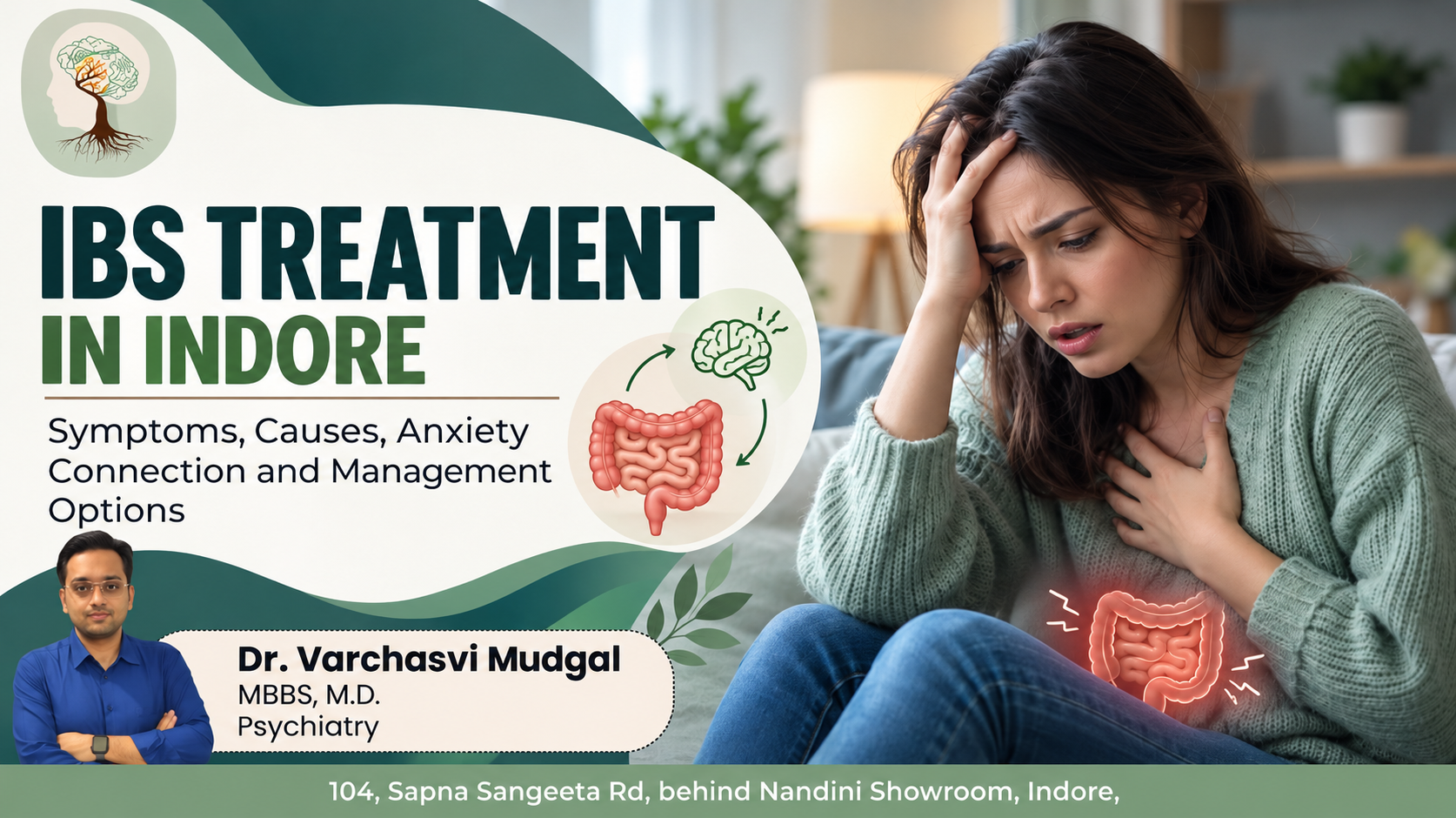
IBS Treatment in Indore can help people understand and manage ongoing digestive problems such as abdominal pain, bloating, constipation, diarrhoea, and changes in bowel habits. Irritable Bowel Syndrome (IBS) is a common digestive condition that can affect everyday comfort, eating habits, work, sleep, and overall quality of life.
Many people experience occasional stomach discomfort due to food choices, irregular meals, or stress. However, when abdominal pain and changes in bowel habits occur repeatedly, they should not be ignored. Understanding the symptoms and identifying possible triggers can help people seek appropriate medical guidance. IBS is also associated with the gut-brain connection, which explains how the digestive system and brain communicate with each other. Stress, anxiety, and emotional difficulties may worsen symptoms in some individuals.
An IBS Doctor in Indore can help evaluate persistent digestive symptoms and guide patients towards appropriate care. Psychological support may also be beneficial when stress or anxiety contributes to symptom severity. Dr. Varchasvi Mudgal can provide psychiatric support for associated anxiety and stress-related concerns.
IBS Treatment in Indore: Understanding Irritable Bowel Syndrome
Irritable Bowel Syndrome (IBS) is a functional gastrointestinal disorder that affects how the digestive system works. It can cause recurring abdominal discomfort along with changes in bowel movements. Understanding the condition is an important step towards finding suitable IBS Treatment in Indore.
Unlike certain inflammatory digestive conditions, IBS does not generally cause visible structural damage to the digestive tract. However, its symptoms can be uncomfortable and may interfere with daily activities, eating habits, and overall quality of life.
People with IBS may experience different patterns of symptoms, including:
- IBS with constipation (IBS-C)
- IBS with diarrhoea (IBS-D)
- IBS with mixed bowel habits (IBS-M)
Symptoms and their severity can vary from person to person. Proper medical evaluation helps identify the condition, understand possible triggers, and distinguish IBS from other digestive problems.
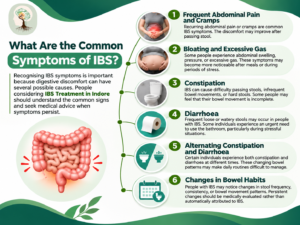
What Are the Common Symptoms of IBS?
Recognising IBS symptoms is important because digestive discomfort can have several possible causes. People considering IBS Treatment in Indore should understand the common signs and seek medical advice when symptoms persist.
1. Frequent Abdominal Pain and Cramps
Recurring abdominal pain or cramps are common IBS symptoms. The discomfort may improve after passing stool, although this varies between individuals.
2. Bloating and Excessive Gas
Some people experience abdominal swelling, pressure, or excessive gas. These symptoms may become more noticeable after meals or during periods of stress.
3. Constipation
IBS can cause difficulty passing stools, infrequent bowel movements, or hard stools. Some people may feel that their bowel movement is incomplete.
4. Diarrhoea
Frequent loose or watery stools may occur in people with IBS. Some individuals experience an urgent need to use the bathroom, particularly during stressful situations.
5. Alternating Constipation and Diarrhoea
Certain individuals experience both constipation and diarrhoea at different times. These changing bowel patterns may make daily routines difficult to manage.
6. Changes in Bowel Habits
People with IBS may notice changes in stool frequency, consistency, or bowel movement patterns. Persistent changes should be medically evaluated rather than automatically attributed to IBS.
What Causes IBS? Understanding Common Triggers
The exact cause of IBS is not fully understood. However, several factors may contribute to its development or worsen existing symptoms.
Common contributing factors include:
- Gut-brain interaction: Communication between the brain and digestive system may influence bowel function and discomfort.
- Stress and anxiety: Emotional stress may increase digestive sensitivity and worsen symptoms.
- Changes in gut movement: Irregular intestinal contractions can contribute to constipation or diarrhoea.
- Gut sensitivity: Some individuals experience increased sensitivity to normal digestive activity.
- Previous gastrointestinal infections: IBS symptoms may develop following certain intestinal infections.
- Food-related triggers: Certain foods and eating patterns may worsen symptoms in some people.
An IBS Doctor in Indore can assess these symptoms and help determine whether further investigations or specialist evaluation are necessary.
How Are Anxiety and Stress Connected to IBS?
The gut and brain communicate through the gut-brain axis, which means stress and anxiety can influence digestive functioning. People experiencing anxiety may notice increased stomach discomfort, bloating, abdominal pain, or changes in bowel movements. Understanding this connection is important when exploring IBS Treatment in Indore.
Recurring IBS symptoms can also increase emotional stress, affect daily activities, and reduce quality of life. Psychological support from a Psychiatrist in Snehnagar, Indore, such as Dr. Varchasvi Mudgal, may help individuals manage associated anxiety, stress, and emotional difficulties.
A combination of appropriate gastrointestinal evaluation, lifestyle changes, and psychological support when needed can help improve IBS symptom management.
When Should You Consider IBS Treatment in Indore?
Occasional digestive discomfort may happen to anyone. However, repeated abdominal pain, bloating, constipation, or diarrhoea may require professional assessment.
Consider seeking IBS Treatment in Indore if you experience:
- Repeated abdominal pain or cramps
- Frequent bloating and excessive gas
- Persistent constipation or diarrhoea
- Alternating bowel movements
- Digestive discomfort affecting daily activities
- Anxiety related to bowel movements
- Difficulty managing symptoms during stressful situations
Symptoms such as blood in the stool, unexplained weight loss, fever, anaemia, or persistent symptoms that wake you at night require prompt medical evaluation. These should not automatically be considered IBS.
How Is IBS Diagnosed?
There is no single test that confirms every case of IBS. Diagnosis generally involves understanding the patient’s symptoms, medical history, and bowel movement patterns.
A healthcare professional may consider:
- Frequency and duration of abdominal pain
- Changes in stool consistency and frequency
- Relationship between pain and bowel movements
- Medical and family history
- Possible food-related triggers
- Other digestive conditions that may cause similar symptoms
Depending on the symptoms, blood tests, stool tests, or other investigations may be recommended to rule out alternative conditions.
An experienced IBS Doctor in Indore can guide patients regarding appropriate investigations and treatment. A gastroenterologist may be required for detailed digestive evaluation.
What Are the IBS Treatment and Management Options?
IBS Treatment in Indore depends on the symptoms, severity, possible triggers, and individual health needs. A personalised approach combining medical care, dietary changes, and psychological support may help manage IBS effectively.
1. Dietary and Lifestyle Management
Identifying food triggers, eating balanced meals, maintaining proper hydration, and following regular meal timings may help reduce IBS symptoms. A low-FODMAP diet may be considered under professional dietary guidance.
2. Medication and Medical Management
Depending on the symptoms, doctors may recommend appropriate medicines to manage constipation, diarrhoea, abdominal cramps, and bloating. Treatment should be based on individual medical evaluation.
3. Stress Management
Stress and anxiety can worsen digestive discomfort in some people with IBS. Relaxation exercises, mindfulness, breathing techniques, and healthy daily routines may support better symptom management.
4. Cognitive Behavioural Therapy (CBT)
CBT may help people understand the connection between thoughts, emotions, stress, and digestive symptoms. Gut-directed psychological therapies can support selected patients in managing IBS-related distress and anxiety.
5. Psychological Support and Counselling
People experiencing anxiety or emotional difficulties alongside IBS may benefit from professional psychological support. A Psychiatrist in Snehnagar, Indore, can assess associated mental health concerns and recommend suitable care when needed.
How Can an IBS Doctor in Indore Help Improve Your Quality of Life?
Managing IBS often requires understanding the relationship between digestive symptoms, lifestyle habits, and emotional well-being. An IBS Doctor in Indore can help evaluate symptoms, identify possible triggers, recommend appropriate investigations, and guide patients towards suitable digestive care.
When anxiety or stress contributes to symptom severity, a psychiatrist may provide additional psychological support. This combined approach can help patients manage both digestive discomfort and the emotional challenges associated with ongoing symptoms.
Why Choose Dr. Varchasvi Mudgal for Psychological Support in IBS Management?
Dr. Varchasvi Mudgal is a Gold Medalist in M.D. Psychiatry from Madhya Pradesh Medical Science University, Jabalpur, with over seven years of experience in psychiatric care. He provides care for conditions such as anxiety disorders, depression, panic attacks, OCD, bipolar disorder, stress-related concerns, and sleep disorders.
His approach includes evidence-based therapies such as Cognitive Behavioural Therapy (CBT), Dialectical Behaviour Therapy (DBT), EMDR, Psychodynamic Psychotherapy, and Supportive Counselling, depending on individual requirements. For patients experiencing anxiety or stress alongside IBS, consultation with a Psychiatrist in Snehnagar, Indore, may help address associated psychological concerns as part of a broader treatment plan. Psychiatric care does not replace gastrointestinal assessment but can complement appropriate medical management when psychological factors are involved.
FAQ – IBS Treatment in Indore
1. What Are the Common Symptoms of IBS?
Common IBS symptoms include recurring abdominal pain, bloating, gas, constipation, diarrhoea, and changes in bowel habits. If these symptoms persist or frequently return, consult a qualified medical professional for evaluation.
2. What Causes IBS and Can Stress Make It Worse?
IBS may be associated with changes in gut-brain communication, digestive sensitivity, and certain food or lifestyle triggers. Stress and anxiety can worsen symptoms in some people, making stress management an important part of IBS management.
3. Which Doctor Should I Consult for IBS Treatment in Indore?
For IBS Treatment in Indore, consult a gastroenterologist or qualified medical professional for digestive evaluation and treatment. If anxiety or stress accompanies IBS, psychiatric support may also help manage emotional difficulties.
4. Can Anxiety Cause IBS Symptoms?
Anxiety does not necessarily cause IBS, but it can affect gut-brain communication and increase digestive discomfort in some individuals. Managing anxiety may help people cope better with IBS-related symptoms.
5. Can CBT Therapy Help in IBS Management?
Yes. Cognitive Behavioural Therapy (CBT) and other gut-directed psychological therapies may help selected patients manage stress, symptom-related anxiety, and emotional distress associated with IBS.
6. Is IBS a Permanent or Lifelong Condition?
IBS is generally a long-term condition in which symptoms may come and go. With appropriate medical care, dietary adjustments, lifestyle changes, and stress management, many people can manage their symptoms.
7. When Should I Consult a Psychiatrist in Snehnagar, Indore?
Consider consulting a Psychiatrist in Snehnagar, Indore, if anxiety, excessive worry, stress, or emotional difficulties are affecting your daily life or making it harder to cope with IBS symptoms.
8. What Is the Best Way to Manage IBS Symptoms?
IBS management may include identifying food triggers, following suitable dietary advice, regular physical activity, adequate sleep, and medical treatment based on symptoms. Psychological support may also be useful when stress or anxiety contributes to symptom-related distress.
Conclusion: Understanding IBS and Finding the Right Support
Irritable Bowel Syndrome can affect digestive comfort, emotional well-being, social activities, and everyday routines. Recognising recurring symptoms and understanding possible triggers are important steps towards effective management.
IBS Treatment in Indore should focus on an appropriate medical evaluation, personalised symptom management, healthy lifestyle habits, and psychological support when required.
If anxiety or stress is affecting your ability to manage digestive symptoms, consulting Dr. Varchasvi Mudgal, a Psychiatrist in Snehnagar, Indore, can help you explore suitable psychological care. With appropriate medical guidance and a personalised management approach, people living with IBS can work towards better symptom control and improved quality of life.